

How Do You Clean Used Fish Tank Sand
Aquariums are great when they're clean, only they demand frequent maintenance to go on them that way. Sand or gravel is oft the first decoration you'll place into your aquarium. Fish occur naturally over sand, gravel, silt, stones and rocks, and many species are adapted to sift sand to notice food. Information technology gets dirty chop-chop though.
Sand sifters
Add together sand sifting fish species similar Corydoras catfish, which use their short whiskers to probe the sand for food. Add together a grouping of 5 to tanks over 60cm in length, and they will sit on, swim over and sift through the sand bed all day long, keeping it turned over and helping to keep it clean. Corydoras and suckermouthed catfish are often referred to as cleaner fish, although they can't survive just on scraps and should be fed a sinking food designed especially for them.
Go on Corydoras over a muddy substrate and they can become infections, which wear away their frail barbles. So yous'll need some sand cleaning apparatus too.
Gravel vacuum
Gravel vacuums are wonderfully simple devices which keep aquarium sand and gravel make clean. A combination of a flexible syphon tube and a wider diameter pipe, gravel vacuums suck gravel and sand upward the wide pipe, tumbling it and releasing the dirt and droppings. Dirt floats up the tube and into a saucepan, and the substrate sinks back down to the aquarium bottom.
Gravel is easier to vacuum than sand considering it'southward heavier. Being fine, sand can go sucked upwards and removed by a gravel vacuum, but with practice the vacuum can exist hovered slightly college to a higher place the sand and information technology volition be lifted, cleaned and dropped dorsum downward.
Ability vacuums
If syphoning isn't your thing, a battery-powered gravel vacuum can either trap waste and return clean water to the tank or connect to a hose to remove dirty water in a water alter. Suitable for sand or gravel, just hover the device slightly college if cleaning fine sand.
Elbow grease
Sand sifters and syphons can be given a paw by you running your fingers through sand beds regularly. If yous don't mind getting a wet arm, rake the sand bed with your fingers, turning information technology over and dislodging clay and debris. Combine this with a water change and mechanical filter make clean, and clay volition exist removed permanently. Wash easily after and arm yourself with a towel to end drips.
Black sand
Fine sand can compact and turn blackness if not cleaned regularly. The black colouration comes from anaerobic leaner, taking up residence in muddied sand and producing a rotten odour. Anaerobic conditions are bad for fish and the health of the aquarium, and so deep sand beds should be avoided and shallow, frequently cleaned sand is the social club of the 24-hour interval for a healthy aquarium.
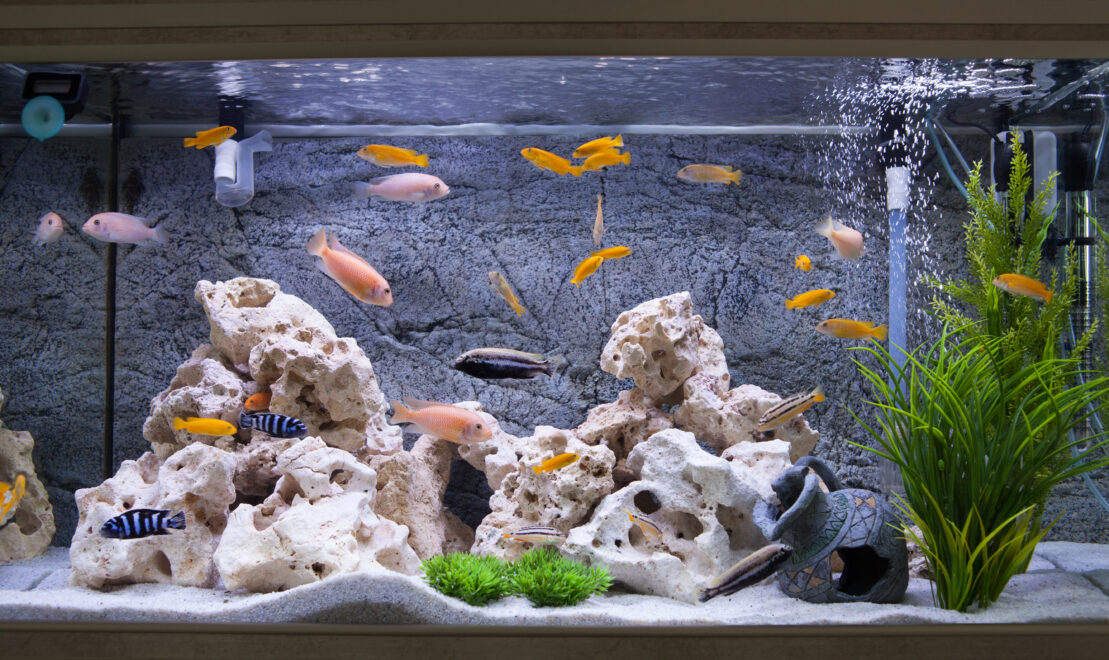
5 Golden rules
- Non all sand is the same, so just use sand that is labelled as aquarium sand. Avoid builders sand equally it will be dingy and will adversely affect pH.
- Clean sand thoroughly before you place information technology in the aquarium. New sand can turn the water cloudy, so rinse in a bucket for calculation it.
- Utilize a thin layer. Sandbeds over 2.5cm deep are more decumbent to compacting and turning anaerobic.
- Don't mix fine sand with coarser grits and gravels as the sand volition work its way to the bottom, leaving the larger gravel on acme.
- Use a combination of substrate dwelling fish and regular gravel vacuuming to keep your sand clean and pristine.

Source: https://www.swelluk.com/help-guides/how-to-clean-aquarium-sand
Posted by: williamclichis1941.blogspot.com
0 Response to "How Do You Clean Used Fish Tank Sand"
Post a Comment